
Introduction
Wasp Nest Removal: Removing a wasp nest is something many homeowners dread. These buzzing colonies can be dangerous, especially when you don’t know what you’re doing. Wasp nest removal isn’t just about spraying or knocking down a nest. It’s about understanding the insects you’re dealing with, respecting their behavior, and avoiding decisions that put you and your family at risk. Research and expert guidance show that mishandling nests can lead to painful stings, allergic reactions, and even structural damage if nests are inside walls or attics.
In this article, we’ll take you step by step through the most common mistakes people make with wasp nest removal and how you can avoid them with practical, human-friendly advice.
BIO
| Label | Information |
|---|---|
| Topic | Wasp Nest Removal |
| Purpose | Safe removal of wasp nests to avoid stings and damage |
| Main Risk | Wasp stings, allergic reactions, and aggressive behavior |
| Best Time for Removal | Early morning or late evening when wasps are less active |
| Common Mistake 1 | Not identifying the wasp species correctly |
| Common Mistake 2 | Ignoring the proper timing for removal |
| Common Mistake 3 | Failing to wear protective gear |
| Common Mistake 4 | Using the wrong removal method |
| Common Mistake 5 | Underestimating the need for professional help |
| Common Mistake 6 | Not considering environmental safety when removing a nest |
| Key Safety Tip | Always use full protective clothing, including gloves and veil |
| Post-Removal Action | Remove the nest and clean the area to prevent re-infestation |
| Aftercare | Monitor the area for signs of re-infestation or new nests |
Why Safe Removal Matters
Before we get into the mistakes, it helps to understand why wasp nest removal needs caution. Wasps are protective of their colonies and will defend their nest aggressively if threatened. Unlike bees, most wasps can sting multiple times. For people who are allergic, a single encounter can escalate to a serious medical emergency.
Avoiding danger begins with avoiding common errors. Let’s look at those next.
Not Identifying the Wasp Type
One of the first mistakes people make when thinking about wasp nest removal is assuming all wasps are the same. In reality, there are many species, and they behave very differently.
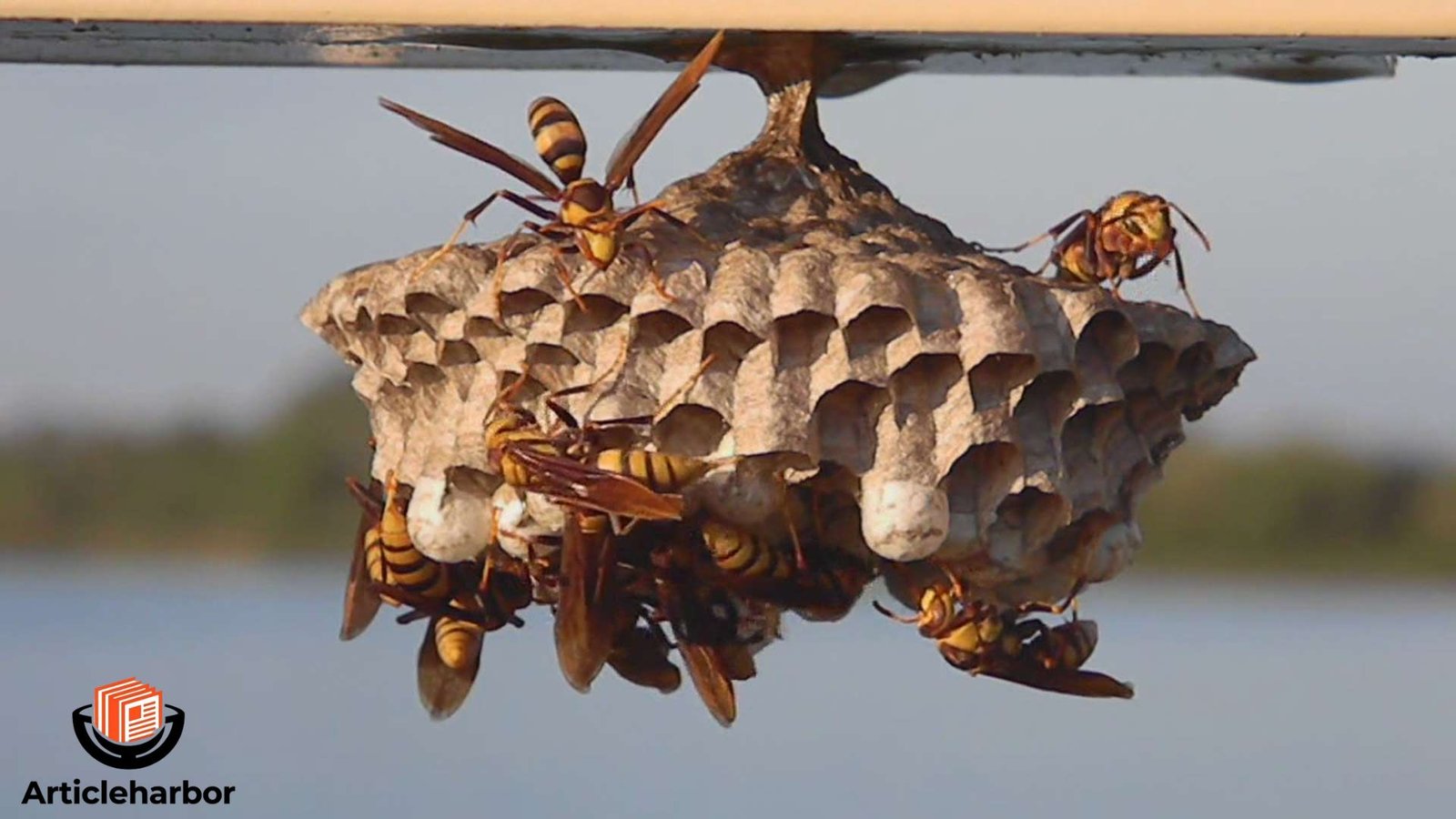
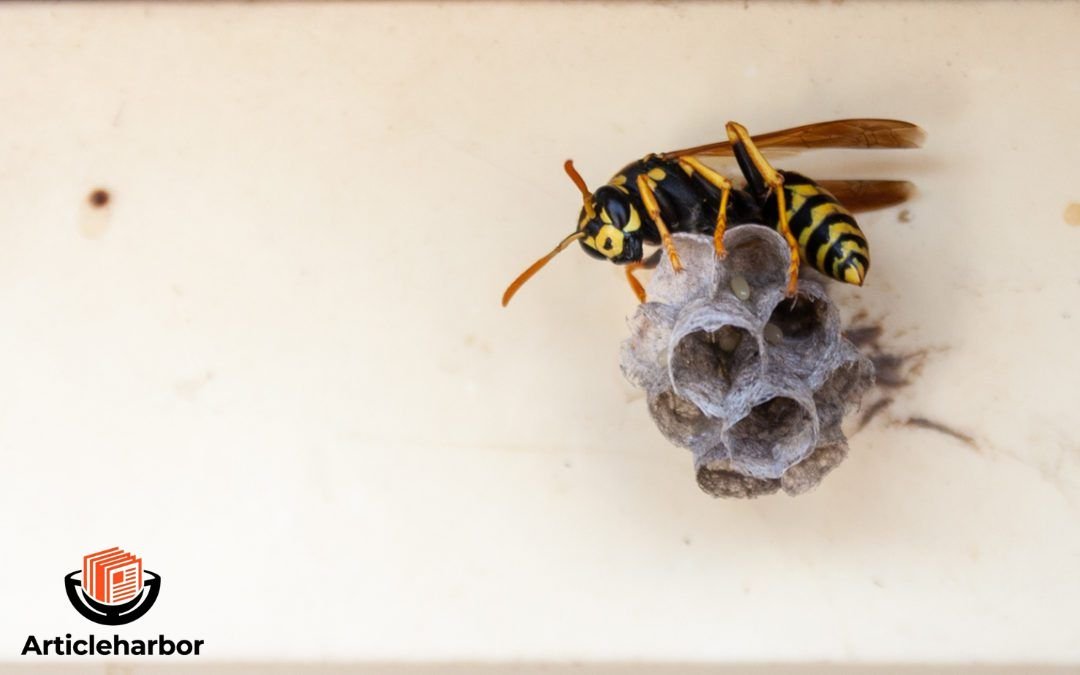
Paper wasps build open, umbrella‑style nests under eaves or branches. Yellowjackets often nest in wall voids or underground and can be very aggressive, while hornets build large, enclosed paper nests that are highly territorial.
Why this matters:
If you treat a dangerous yellowjacket nest the same way you would a small paper wasp nest, you’re setting yourself up for attacks and numerous stings. Always take time to observe the nest from a distance before deciding how to act.
Ignoring the Timing of Removal
Timing isn’t just convenient; it’s critical. Wasps are most active during the warmest parts of the day. Approaching a wasp nest during high activity hours increases the risk of stings dramatically.
How to do it right:
- Plan removal early in the morning or late in the evening when wasps are less active and likely inside the nest.
- Choose cool, calm weather days. Wasps are more aggressive in heat and when the wind is strong.
Even doing these simple things reduces the chances of an aggressive encounter.
Not Using Proper Protective Gear
Some homeowners think long sleeves and jeans are enough protection. They’re not.
Professional pest removers always use full‑body protection, including a beekeeping suit with an attached veil, thick gloves, and sealed footwear. The goal here is simple: cover every inch of exposed skin.
What to avoid:
- Thin fabrics that wasps can sting through.
- Open footwear like sandals.
- Removing protective gear while still near the nest.
Underestimating protective gear puts you at unnecessary risk.
Using the Wrong Removal Method
There isn’t one universal method that fits all nests. People often try quick fixes like blasting with a hose or using household sprays that simply don’t work.
Some safe and effective DIY methods exist, like using a mixture of dish soap and water to clog wasps’ breathing pores on smaller nests. But these work only in limited situations and still require caution.
Key point:
Only attempt DIY removal if the nest is small, easy to reach, and you feel confident with safety measures. For larger or hard‑to‑reach nests, specialized insecticidal dust or professional tools are often required.
Underestimating the Need for Professional Help
It’s easy to feel like you can tackle the problem yourself, especially after watching videos or reading guides online. But professionals have training, experience, and equipment designed to handle aggressive species safely.
Signs you should call a professional:
- The nest is larger than a soccer ball.
- It’s located in tight spaces, wall cavities, or high up.
- You or household members are allergic to wasp stings.
A professional removal service not only eliminates the nest but also ensures it doesn’t return.
Forgetting Environmental Safety
Many people forget that what they spray or how they remove the nest can harm pets, beneficial insects, or the surrounding environment. Some insecticides are harsh and can affect other wildlife.
Instead of indiscriminate spraying:
- Choose targeted treatments when possible.
- Avoid getting chemicals near water sources, plants, or sensitive areas.
It’s true that wasps play a role in pollination and natural pest control, so consider this while planning removal.
Neglecting Post‑Removal Cleanup
Even after you think the job is done, there’s more work to be done. Leftover nest materials can attract other pests or even new wasps. Wasps leave pheromones around nests that can signal other wasps to return after removal.
Post‑removal steps:
- Wait 24‑48 hours after treatment before approaching the nest.
- Remove the physical nest if all wasps are gone.
- Clean the area thoroughly to eliminate pheromones.
Skipping these steps can lead to frustration and repeated infestations.
Not Planning for Aftercare
Even with great removal technique, nesting can recur. After successful removal, watch the area for signs of new wasp activity. Wasps often return to favorable spots.
Tips for aftercare:
- Seal cracks and gaps around your property to discourage nesting.
- Minimize attractants like uncovered food or sugary drinks in the yard.
- Consider natural deterrents like certain essential oils, which can help keep wasps away.
Taking steps beyond removal protects your outdoor space long term.
Conclusion
Wasp nest removal isn’t a job to rush or tackle casually. It demands careful planning, safety equipment, and a clear understanding of what you’re dealing with. From correctly identifying wasps to choosing the right time and tools, avoiding common mistakes significantly improves safety and effectiveness.
If at any point you feel unsure or the nest seems dangerous, don’t hesitate to call professionals. A safe, well‑executed removal keeps your home secure, protects your family, and ensures peace of mind.
FAQs About Wasp Nest Removal
1. How can I tell if a wasp nest is active?
Look for continuous wasp movement entering and exiting the nest. If you see wasps flying in a steady pattern, the nest is likely active.
2. Is it safer to remove a nest at night?
Yes. Wasps are less active at night or early morning, making it a safer time for removal.
3. Can I remove a wasp nest myself?
You can if the nest is small, easy to reach, and you have proper gear. But for large or aggressive nests, professional help is strongly recommended.
4. What protective gear do I need for safe nest removal?
Wear long, thick clothing, gloves, eye protection, closed‑toe shoes, and ideally a beekeeping style suit with a veil to cover your face.
5. What should I do if someone gets stung during removal?
Move the person away from the nest area, wash the sting site, and apply a cold compress. If there are signs of allergic reaction such as swelling or difficulty breathing, seek medical help immediately.