
Introduction
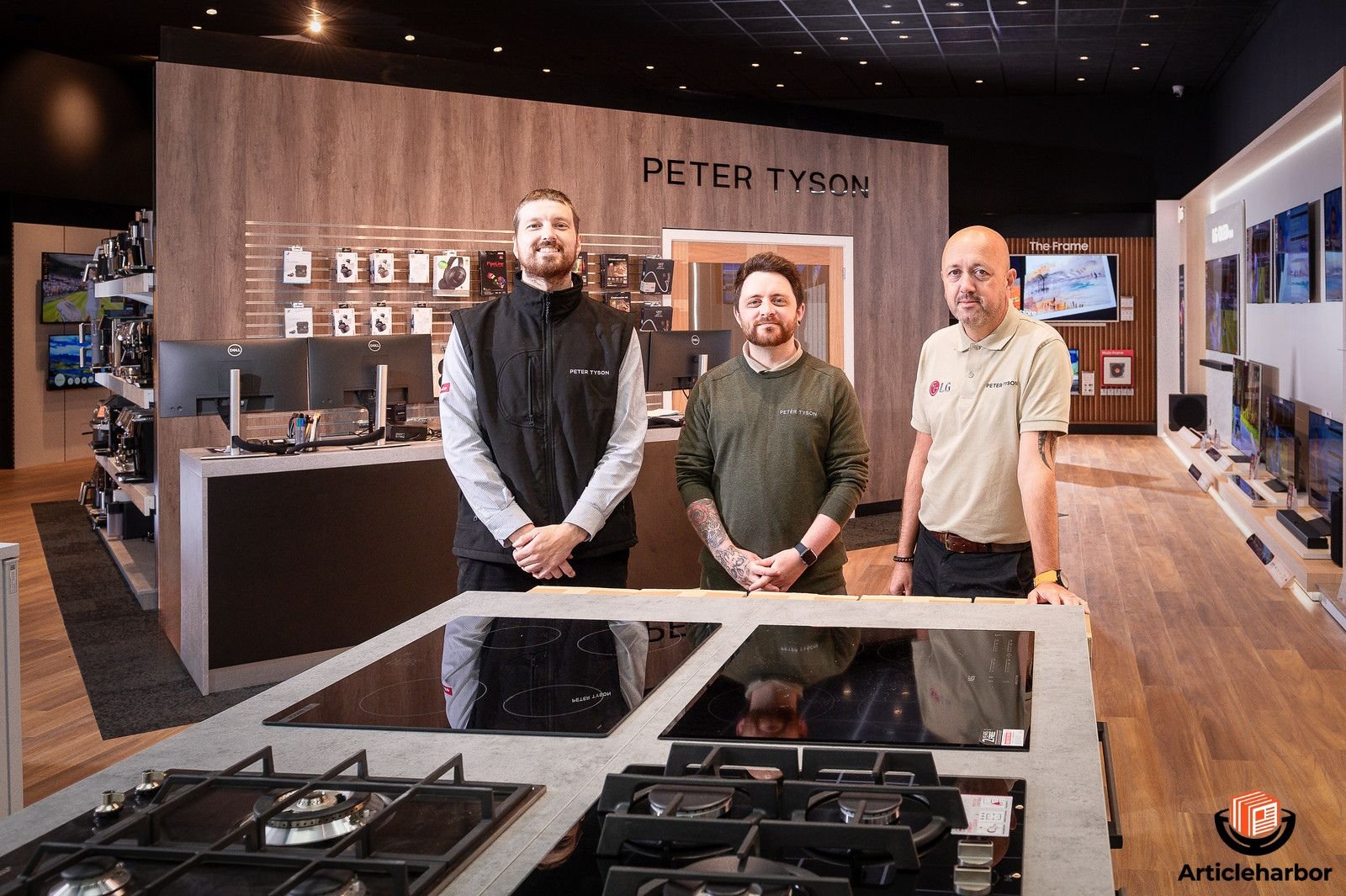
In the world of British retail and consumer electronics, few names carry as much respect as Peter Tyson. What began in 1966 as a humble TV repair shop has become one of the UK’s most trusted family‑run businesses selling hi‑fi equipment, televisions, and audio‑visual products. The story behind this success is not one of overnight luck but of relentless persistence, strategic evolution, and genuine customer focus. In this article, you’ll learn how Peter Tyson’s rise to fame unfolded, why the company endures decades later, and what lessons you can take from their journey.
BIO
| Label | Information |
|---|---|
| Name | Peter Tyson |
| Founded | 1966 |
| Business Type | Family-owned Retailer |
| Industry | Consumer Electronics, Audio-Visual Products |
| Main Products | Hi-Fi, TVs, Home Entertainment Systems |
| Founder | Peter Tyson |
| Headquarters | Carlisle, United Kingdom |
| Key Services | Product Sales, Expert Advice, Technical Support |
| Website | www.petertyson.co.uk |
| Notable Milestone | £1 million in online sales by 2006 |
| Growth Strategy | Omnichannel retail, Online presence, In-store experience |
| Customer Reputation | Highly rated for customer service and product quality |
| Legacy | Over 50 years of business success and customer trust |
The Humble Beginnings
In the mid‑1960s, television was rapidly becoming a staple in British homes. Against this backdrop, Peter Tyson started out training as a TV repairman and quickly built a reputation for solid technical skill and trustworthy service. At a time when owning a television was still a significant investment, customers valued someone who could fix their sets and give honest advice. This foundation—rooted in practical expertise—was the first step in a much bigger journey.
What set Peter apart in those early years was not just technical ability but the genuine rapport he formed with customers. Instead of turning away from challenges, he leaned into them, building a reputation as someone people could count on when their most treasured electronics failed. This early perseverance in a niche helped lay the groundwork for something larger.
Expanding Into Audio and Trust
By the 1970s, consumer demand was shifting. People were not just watching television—they wanted sound systems, hi‑fi equipment, and richer entertainment experiences. Peter Tyson responded by adding audio sales alongside TV repairs. This strategic pivot showed not only a keen understanding of emerging trends but a readiness to expand beyond a comfort zone.
This early decision was strategic in more than one way. It broadened customer appeal, making Peter Tyson not just a place to fix a TV, but a destination for quality home entertainment. At the same time, it positioned the business for growth into retailing, rather than only servicing. Today, this early diversification looks obvious—but at the time, it required insight and a willingness to take a calculated risk.
Opening the First Store

In 1980, the company opened its first dedicated store and repair centre on Abbey Street. This was a turning point. No longer just a service workshop, Peter Tyson became a retail destination where customers could browse products, get expert advice, and feel confident about their purchases.
The store was more than a shop—it was a physical statement that Peter Tyson was serious about serving customers not just as a technician, but as a trusted retailer. The importance of having a flagship location cannot be overstated: it gave the brand visibility, allowed for face‑to‑face customer relationships, and anchored the company within the community.
Family Values and Leadership Continuity
One of the unique elements of Peter Tyson’s story is that it remained a family business. In 1995, the second generation of the Tyson family joined the company, bringing fresh energy while safeguarding the core values that had made the business successful.
Many businesses struggle with leadership transitions. Yet Peter Tyson managed this process with balance, ensuring that innovation and legacy went hand in hand. The family’s involvement brought continuity and stability, creating a sense of trust among employees and customers alike and reinforcing the brand’s identity.
Owning the Digital Shift
The early 2000s marked a seismic change in retail. Online shopping was becoming the norm, and businesses that failed to adapt risked being left behind. Peter Tyson embraced this transformation early, reaching £1 million in online sales by 2006.
This achievement was not luck. It was the result of recognizing a trend early and investing in capability long before many competitors recognized its importance. While some brick‑and‑mortar retailers resisted digital channels, Peter Tyson leaned into them with purpose. This move allowed the business to reach customers beyond local markets, and it future‑proofed the company for decades to come.
Strategic Growth and Expansion
Growth was steady but intentional. The company opened new locations across the region, including in Newcastle and Workington. These expansions were not random—they responded to customer demand and demographic shifts. Each new store was strategically placed to serve a larger area, bringing more customers into reach.
In 2014, the Newcastle location moved to a bigger site to keep up with growing customer numbers. By 2017, Peter Tyson had moved into a 30,000‑square‑foot retail and distribution centre in Carlisle. These expansions doubled as both increased capacity and strategic investment in future growth.
What’s notable is that none of these expansions happened overnight. They were milestones marking careful planning and readiness to scale—not just hope.
Omnichannel Strategy and Modern Success
As retail further evolved, so did Peter Tyson. A recent omnichannel strategy—blending online presence with in‑store experience—helped the business amplify revenue significantly. By integrating paid search, social media, email marketing, and SEO into the brand’s approach, the company saw dramatic improvements in engagement, sales, and customer experience.
This modern strategy wasn’t just about selling more products. It was about understanding customer behaviour and data, then tailoring every touchpoint to create a cohesive brand experience. Whether browsing online or visiting a store, customers feel supported and informed—a testament to the strategic sophistication that now drives the business.
Customer Experience at the Core
One of the shining features of Peter Tyson’s success is the way customers talk about the company. With thousands of positive reviews across platforms like Trustpilot, customers consistently highlight excellent service, product quality, and knowledgeable staff. With a near‑5‑star overall rating, the market clearly values what the brand delivers.
This trust was earned over decades and cannot be separated from the company’s roots. From its earliest days repairing televisions to today’s multi‑channel retail experience, putting customers first has been a guiding principle.
What Sets Peter Tyson Apart
Several elements stand out in Peter Tyson’s rise:
1. Persistence Over Time
The company didn’t skyrocket overnight. It grew steadily through adapting to trends and never backing down from challenges.
2. Strategic Vision
From adding audio sales in the 1970s to early digital adoption, the leadership made decisions that aligned with both market needs and long‑term goals.
3. Family Values
Being a family‑run business helped maintain a consistent brand promise and build deep community trust.
4. Customer Focus
Strong customer service, technical expertise, and product knowledge differentiated Peter Tyson from competitors.
Each of these pieces created a foundation, layer by layer, allowing the business to not just survive but thrive.
Lessons for Entrepreneurs and Leaders
While Peter Tyson is a specific company, its journey offers broader lessons:
Persist Through Setbacks
Success rarely follows a straight line. Persistence—continuing to show up and improve—makes all the difference.
Embrace Change Early
Waiting too long to adapt can put a company at risk. Digital retail and omnichannel strategies are now standard, but early adoption gave Peter Tyson an edge.
Build Genuine Value
Customers are drawn not just to products, but to trust and expertise. The human touch still matters.
Balance Tradition with Innovation
Holding onto core values while embracing new opportunities is a delicate but powerful combination.
These lessons are useful not just for retailers but for professionals and small businesses across industries.
Today and Tomorrow
In 2023, Peter Tyson celebrated one of its most successful years, marked by record sales and continued market leadership. This achievement speaks to the power of long‑term strategy and consistent customer value.
The company continues to serve customers both online and in store, showcasing cutting‑edge products alongside expert advice. Its evolution is a testament to how persistence combined with smart strategy can transform a small workshop into a beloved national brand.
Conclusion
The rise of Peter Tyson is a story that resonates not just with retail entrepreneurs but with anyone who wants to build something lasting. A humble beginning, coupled with strategic growth and unyielding persistence, has created a brand that continues to thrive more than 50 years after its founding.
Whether you’re an aspiring business owner, a leader looking to grow your team, or someone who values great customer experiences, Peter Tyson’s journey offers real insight: success comes not from quick wins, but from thoughtful strategy, adaptation, and dedication to people.
FAQs
What industry is Peter Tyson known for?
Peter Tyson is best known for the audio, visual, and consumer electronics retail industry, specializing in hi‑fi, TVs, and home entertainment systems.
How did Peter Tyson start its business?
The company began in 1966 as a TV repair service before expanding into product sales and full retail operations.
Is Peter Tyson still a family‑run business?
Yes. The business has remained family‑run, with subsequent generations contributing to its growth and success.
What makes Peter Tyson successful today?
Success is rooted in early digital adoption, customer service focus, strategic expansion, and omnichannel marketing approaches.
Where are Peter Tyson stores located?
Peter Tyson operates multiple locations across the UK, including Carlisle, Newcastle, and Workington, along with a strong online presence.