
Introduction
Makeup brushes play an important role in achieving a flawless look. Whether you apply foundation, blush, eyeshadow, or powder, the quality and cleanliness of your brushes directly affect the final result. Yet, many people overlook one essential part of their beauty routine: cleaning their makeup brushes regularly.
Over time, makeup brushes collect product residue, skin oils, dead skin cells, dust, and bacteria. Using dirty brushes can lead to uneven makeup application and may even contribute to clogged pores and skin irritation. Learning how to clean makeup brushes properly is one of the easiest ways to improve both your makeup results and your skin health.
The good news is that you do not need expensive tools or professional training. With a few simple techniques, you can clean your brushes at home just like a beauty expert.
BIO
| Label | Information |
|---|---|
| Topic | How to Clean Makeup Brushes |
| Category | Beauty & Makeup |
| Purpose | Brush Cleaning Guide |
| Skill Level | Beginner to Advanced |
| Main Benefit | Better Skin Health |
| Cleaning Frequency | Weekly Recommended |
| Brush Types | Face, Eye, Lip Brushes |
| Cleaning Tools | Shampoo, Brush Cleanser |
| Water Type | Lukewarm Water |
| Drying Method | Flat on Towel |
| Common Mistake | Soaking Brush Handles |
| Expert Tip | Deep Clean Monthly |
| Result | Flawless Makeup Application |
Why Cleaning Makeup Brushes Matters
Every time a makeup brush touches your skin, it picks up natural oils, sweat, and tiny particles from the surface. When the brush is used repeatedly without cleaning, these substances build up inside the bristles.
Dirty brushes can affect makeup performance. Foundation may appear streaky, eyeshadow colors may look muddy, and powders may not blend smoothly. Clean brushes, on the other hand, help products apply evenly and create a more polished finish.
Another important reason to clean brushes is hygiene. Bacteria thrive in warm, moist environments, especially on brushes used with liquid or cream products. Regular cleaning helps reduce bacterial growth and keeps your beauty routine safer.
A clean brush not only protects your skin but also extends the lifespan of your makeup tools.
How Often Should You Clean Makeup Brushes?
There is no single cleaning schedule that works for everyone. The frequency depends on how often you wear makeup and the type of products you use.
Foundation and concealer brushes should ideally be cleaned once a week because they come into contact with liquid products that can trap bacteria more easily.
Powder, bronzer, and blush brushes can usually be cleaned every one to two weeks. Since these products are dry, they tend to accumulate buildup more slowly.
Eyeshadow brushes should be washed weekly if used frequently. This helps maintain color accuracy and prevents shades from mixing unintentionally.
Lip brushes require more frequent attention and should be cleaned after each use whenever possible.
If you use makeup sponges, they should be washed every few days and replaced regularly according to the manufacturer’s recommendations.
Signs Your Makeup Brushes Need Cleaning
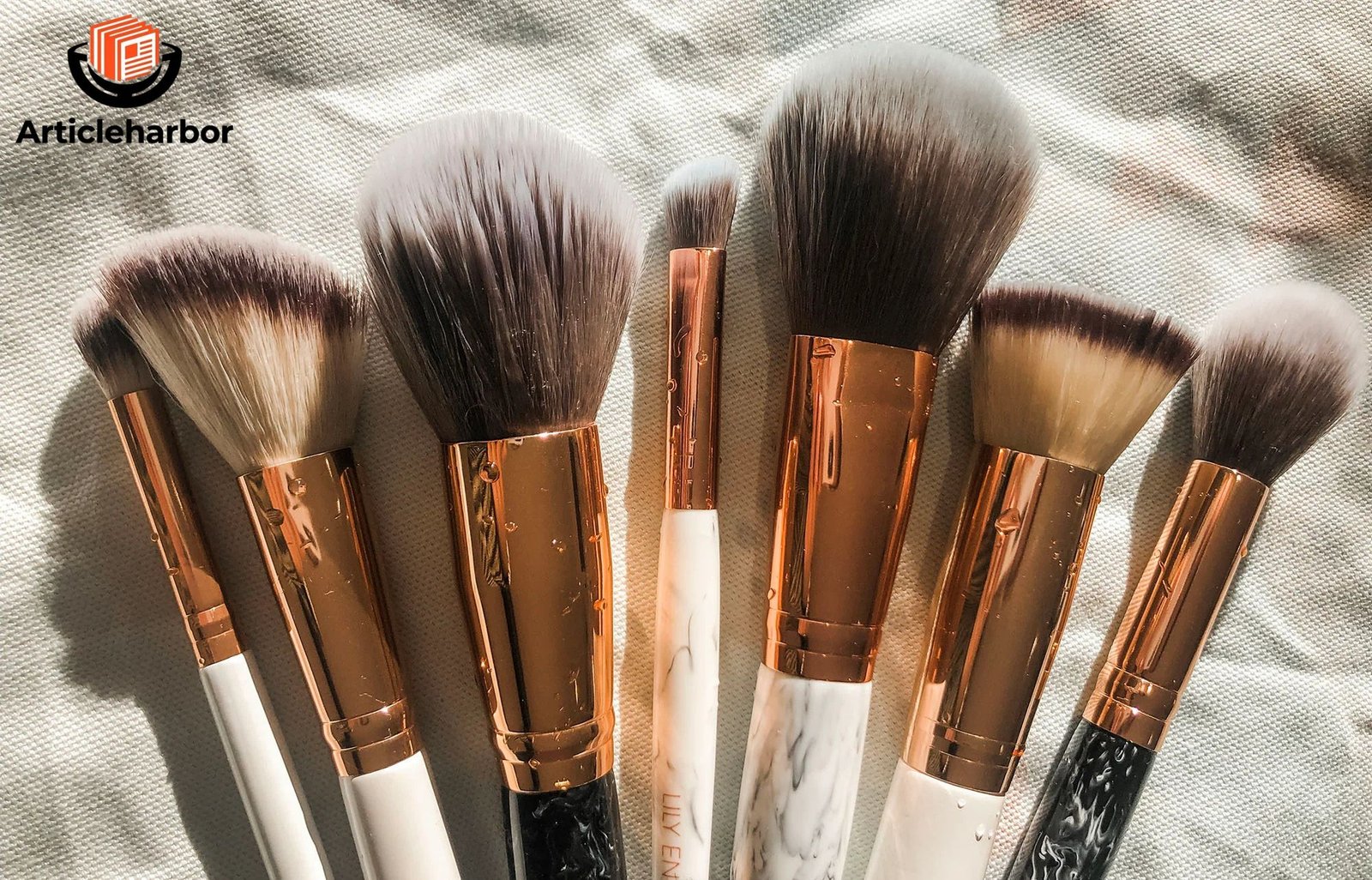
Sometimes your brushes tell you when they need attention.
One of the most common signs is poor makeup application. If your foundation appears patchy or your powder looks uneven, dirty brushes may be the cause.
Another sign is stiff or rough bristles. Product buildup can make brushes lose their softness over time.
A noticeable odor coming from a brush is also a warning signal. Brushes should never smell unpleasant. If they do, oils and bacteria may have accumulated inside the bristles.
Visible makeup residue, discoloration, or increased skin breakouts can also indicate that your brushes need a thorough wash.
What You Need Before Cleaning
One reason many people postpone brush cleaning is because they think they need special equipment. In reality, most items are already available at home.
You will need a gentle cleanser such as baby shampoo, mild facial cleanser, or a dedicated brush cleanser. A small bowl, lukewarm water, and a clean towel are also helpful.
Some beauty enthusiasts use a silicone cleaning mat to loosen stubborn makeup residue. While useful, it is not essential.
Avoid harsh detergents or strong chemicals that may damage the brush fibers and shorten the life of your brushes.
How to Clean Makeup Brushes Step by Step
Professional makeup artists often follow a simple but effective process that thoroughly removes dirt without damaging the brush.
Start by holding the brush under lukewarm running water. Position the bristles facing downward so water does not seep into the handle where the glue is located.
Place a small amount of cleanser into your palm or onto a cleaning mat. Gently swirl the brush through the cleanser, working it into the bristles.
As you massage the brush, you will notice makeup residue beginning to release. Continue swirling until the cleanser creates a light lather.
Rinse the brush thoroughly under running water. Repeat the process if necessary until the water runs completely clear.
Once clean, gently squeeze out excess water using your fingers. Avoid twisting or pulling the bristles because this can damage their shape.
Finally, reshape the brush head and place it flat on a clean towel to dry.
The Beauty Expert Deep-Clean Method
Professional makeup artists often perform a deeper cleaning session once a month, especially for brushes used with cream or liquid products.
A popular method involves combining a gentle cleanser with a small amount of olive oil. The cleanser removes dirt and bacteria, while the oil helps dissolve stubborn makeup residue.
After cleansing, rinse thoroughly to ensure no oily residue remains inside the bristles.
For heavily used foundation brushes, repeating the cleansing process two or three times may be necessary. Deep cleaning restores softness and improves performance, allowing brushes to apply makeup more evenly.
Cleaning Different Types of Brushes
Not all brushes require the same approach.
Foundation brushes usually hold the most product buildup. These brushes benefit from more frequent washing and occasional deep cleaning.
Powder brushes tend to accumulate loose pigments and oils. A gentle weekly wash is often enough to keep them fresh.
Eyeshadow brushes are smaller but collect significant amounts of pigment. Regular cleaning helps preserve color accuracy and prevents shades from blending together unintentionally.
Eyeliner and brow brushes require careful cleaning because product can harden around the bristles. Taking extra time to remove buildup helps maintain precision during application.
Lip brushes should always be cleaned thoroughly because they come into direct contact with the lips and creamy products.
Natural Ways to Clean Makeup Brushes
If you prefer natural cleaning solutions, several options work well.
Baby shampoo remains one of the most popular choices because it is gentle on brush fibers while effectively removing dirt and oils.
Castile soap is another option known for its plant-based ingredients and mild cleansing properties.
Some people use a diluted vinegar solution as part of their cleaning routine. While vinegar may help reduce bacteria, it should be followed by a second rinse with a gentle cleanser to remove any lingering smell.
Natural methods can be effective when used correctly, but it is important to rinse brushes thoroughly afterward.
Common Mistakes to Avoid
Many brushes become damaged because of improper cleaning techniques.
One of the biggest mistakes is soaking the entire brush in water. Excess moisture can weaken the glue inside the handle and cause shedding.
Using hot water is another common error. High temperatures may damage both natural and synthetic bristles.
Drying brushes upright while they are wet can also lead to problems because water may travel into the handle.
Harsh cleaning products should be avoided whenever possible. Gentle cleansers are usually more than enough to remove makeup buildup effectively.
Drying Brushes the Right Way
Proper drying is just as important as proper cleaning.
After washing, reshape each brush carefully. Lay the brushes flat on a clean towel with the bristles slightly hanging over the edge of a counter if possible.
This position allows air to circulate around the brush head and speeds up drying.
Most brushes require several hours to dry completely. Larger powder brushes may need overnight drying before they are ready to use again.
Patience is important because using damp brushes can affect makeup application and encourage bacterial growth.
Conclusion
Learning how to clean makeup brushes is a simple habit that can make a noticeable difference in your beauty routine. Clean brushes apply makeup more smoothly, last longer, and help maintain healthier skin.
By washing your brushes regularly, using gentle cleansing products, and allowing them to dry correctly, you can achieve professional-level results at home. A few minutes of maintenance each week can protect your investment in quality brushes and ensure that every makeup application looks its best.
Clean brushes are one of the simplest secrets behind flawless makeup and healthier skin.
FAQs
How often should I clean my makeup brushes?
Most makeup brushes should be cleaned at least once a week. Brushes used for liquid products like foundation and concealer may need more frequent cleaning.
Can dirty makeup brushes cause skin problems?
Yes. Dirty brushes can collect oil, bacteria, and dead skin cells, which may contribute to clogged pores, breakouts, and skin irritation.
What is the best thing to use for cleaning makeup brushes?
A gentle shampoo, mild facial cleanser, or a dedicated brush cleaner works well. These products remove makeup buildup without damaging the bristles.
How long do makeup brushes take to dry?
Most brushes take between 6 and 12 hours to dry completely. Larger powder brushes may require overnight drying.
Can I clean makeup brushes with dish soap?
Yes, mild dish soap can help remove heavy makeup residue. However, it should be used carefully and followed by thorough rinsing to avoid drying out the bristles.