Introduction
Freddy Moore remains one of the most intriguing figures in American rock history — a musician whose creative energy, unique stage presence, and power‑pop sensibilities earned him a loyal following and a lasting place in the musical legacy of the 1970s and 1980s. Though his name may not be as widely recognized as some mainstream rock stars, his contributions to independent rock and power‑pop continue to influence musicians and fans alike. In this in‑depth article, we explore his early life, career milestones, personal journey, and the legacy he left behind.
BIO
| Label | Information |
|---|---|
| Full Name | Frederick George Moore |
| Stage Name | Freddy Moore |
| Date of Birth | July 19, 1950 |
| Place of Birth | Minneapolis, Minnesota, USA |
| Profession | Musician, Songwriter |
| Genres | Rock, Power-Pop, New Wave |
| Bands | Skogie, The Kats, The Nu-Kats |
| Notable Songs | “It’s Not a Rumour”, “Plastic Facts” |
| Active Years | 1970s–2000s |
| Spouse | Demi Moore (1980–1985), Renee (2005–) |
| Net Worth | $1 million (estimated) |
| Known For | Influential power-pop musician |
| Date of Passing | August 25, 2022 |
Early Life and Influences
Frederick George Freddy Moore was born on July 19, 1950, in Minneapolis, Minnesota, a region known for its vibrant music scene. Growing up in the Twin Cities area, Freddy developed a passion for music at a young age, learning guitar and writing songs long before he entered the spotlight. During his teen years, his family briefly lived in San Francisco, broadening his cultural experiences, but he ultimately returned to Minnesota where his musical identity began to take shape.
Moore attended Richfield High School, where his creative talents started to emerge in earnest. Before graduating in 1968, he formed his first bands and explored various musical styles. Concerned about the possibility of being drafted for the Vietnam War, he enrolled at the University of Minnesota to study music theory and composition, deepening his understanding of melody, harmony, and songwriting — skills that would later define his artistic voice.
The Birth of a Rock Musician
Moore’s professional music journey began in earnest in the early 1970s under the stage moniker “Skogie.” His first group, Skogie and the Flaming Pachucos, quickly gained local traction with energetic performances and a fresh power‑pop sound that blended rock and new wave influences — a style that was ahead of its time. Music critics, including Creem magazine, later recognized Skogie as one of the early pioneers of power‑pop.
After touring regionally and recording in Minneapolis studios, Moore made a pivotal decision to move his musical operation to Los Angeles in 1976. There, his band underwent a transformation — both in lineup and identity — becoming The Kats. Moore adopted the persona of a “cat” on stage, embracing an entertaining and theatrical approach that spoke to rock’s evolving showmanship. He even took “Freddy” as his professional name, solidifying a unique personal brand with fans and industry insiders.
Breakthrough with The Kats and The Nu‑Kats
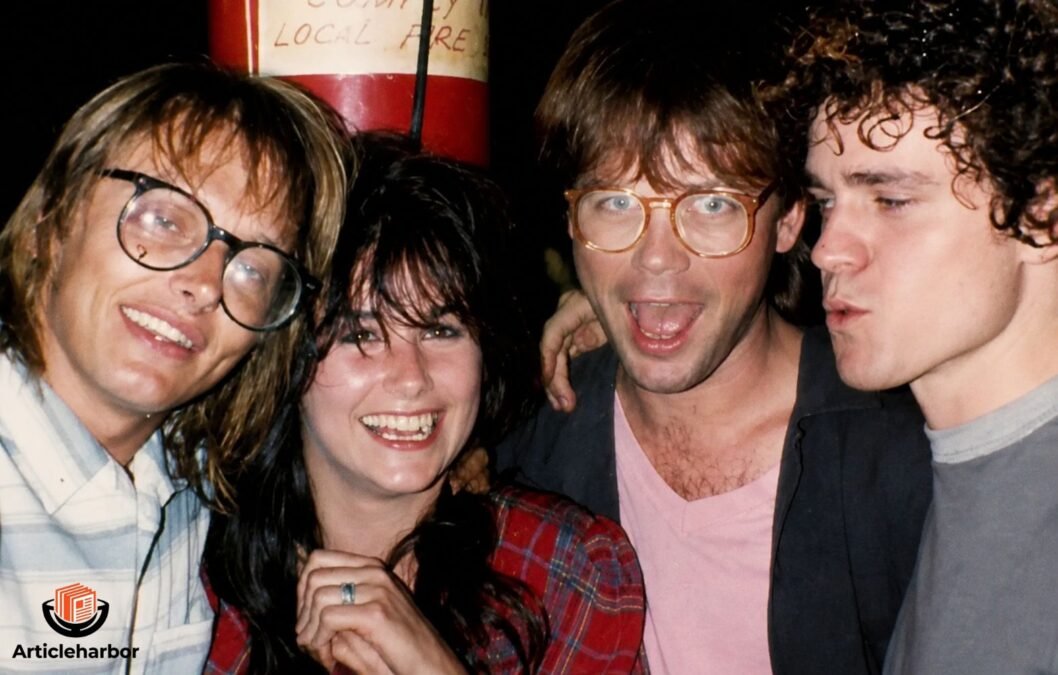
The move to Los Angeles was significant. In LA’s crowded and competitive music scene, The Kats worked tirelessly, performing in clubs and refining their sound. Initially signed to Infinity Records, the band recorded an album before the label folded — a setback that led to restructuring. After departing from their management team, the core members rebranded once more as The Nu‑Kats.
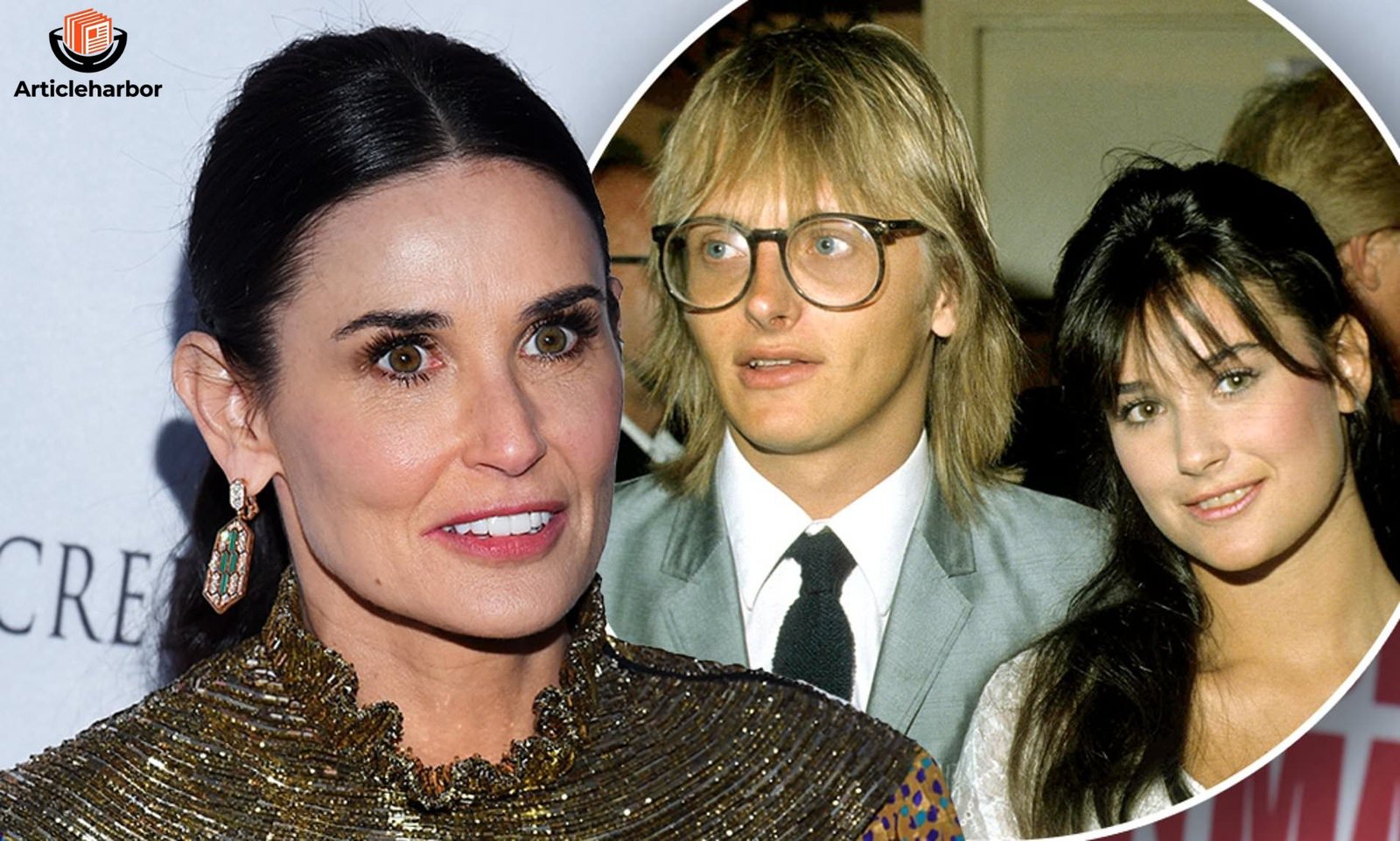
It was during this era that Freddy Moore achieved some of his most noteworthy recognition. In 1980, The Nu‑Kats released the EP Plastic Facts under Rhino Records, featuring the song “It’s Not a Rumour” — a track co‑written by Moore and his then‑wife, actress Demi Moore. Though the song never charted, its music video received occasional play on MTV, especially after Demi Moore’s rise to fame.
This period marked the height of Moore’s visibility in the rock world. His flair for blending rock and new wave, combined with his theatrical persona, made him a memorable presence on stage and in the growing music video landscape of the early 1980s.
Musical Style and Creative Vision
Freddy Moore’s music combined elements of rock, pop, and new wave, giving his songs a playful yet gritty edge that stood apart from mainstream rock trends. His songwriting often featured clever lyrics, melodic hooks, and an upbeat rhythm that appealed to fans of independent music. What set Moore apart wasn’t necessarily chart‑topping singles — it was his authenticity as an artist who wrote from experience and maintained creative ownership of his work.
Even after The Nu‑Kats disbanded, Moore continued exploring new sounds. He formed a pop‑influenced band called Boy, which released an EP through Radioactive Records and showcased his versatility beyond rock’s traditional boundaries. Moore also earned a Screen Actors Guild card for his role as “Arn” in the 1982 film Parasite, integrating his musical and artistic talents into the broader entertainment landscape.
Personal Life and Relationships
Freddy Moore’s personal life often intersected with his professional journey in ways that influenced his art and public perception. In 1979, he met Demetria “Demi” Guynes, who was just 16 years old at the time, at a Los Angeles nightclub. The connection was immediate and intense, leading to a relationship that began while Moore was still married to his first wife, Lucy. Despite the controversy, Moore and Demi moved in together and later married in February 1980 after his divorce was finalized and she turned 17. Demi adopted his surname professionally — becoming Demi Moore, a name she carries to this day as an acclaimed Hollywood actress.
Their marriage lasted until 1985, and while it drew public attention, Moore’s own musical contributions remained central to his legacy. The relationship also helped bring visibility to his work, though Moore always remained focused on his music and creative pursuits.
Later in life, Moore married his long‑time partner Renee in 2005. Their life together spanned decades and provided personal stability as he continued his creative work well into later years.
Later Career and Continued Creativity
Even after his mainstream rock career slowed, Moore continued creating music on his own terms. In the late 1990s, he and former bandmates regrouped to record under the name The Kat Club, self‑releasing music and maintaining his distinct artistic voice. This period demonstrated Moore’s commitment to independence — choosing creative freedom over commercial pressures.
While not commanding top‑40 charts, Moore’s later works resonated with dedicated fans who appreciated his authenticity and evolving sound. He remained connected to his craft, composing melodies that reflected both his youthful passion and seasoned perspective.
Net Worth and Financial Legacy
At the time of his death, Freddy Moore’s estate was valued at an estimated $1 million, a figure that reflects decades of dedication to music rather than flashy commercial success. This net worth was accumulated through his work with multiple bands, songwriting royalties, live performances, and music sales.
Moore’s financial legacy is important because it highlights a sustainable career rooted in artistic integrity rather than mainstream celebrity. His royalty earnings from songs like “It’s Not a Rumour,” independent releases, and ongoing catalog streams ensured that his work continued to generate revenue — a testament to the enduring value of music authored by its creator.
Health, Final Years, and Passing
In his later years, Moore faced health challenges, including a diagnosis of Alzheimer’s disease in the mid‑2010s. Despite the personal toll of the illness, his legacy remained intact through the music he created and the influence he had on the rock and power‑pop community. He spent his final years in care, surrounded by close family, before his passing on August 25, 2022, at age 72.
Moore’s death marked the conclusion of a life dedicated to creative exploration and artistic authenticity.
Why Freddy Moore Matters
Freddy Moore may not have topped worldwide charts, but his significance in music is profound:
- Authentic Songwriter: He wrote his own songs, a practice that ensured his voice stayed true to his vision.
- Independent Spirit: Moore maintained creative control over his work, even when opportunities for commercial deals arose.
- Musical Influence: His early power‑pop work helped shape the direction of independent rock in the late 1970s and early 1980s.
- Enduring Legacy: His recordings continue to be discovered and appreciated by music lovers exploring rock history.
For fans and aspiring artists alike, Moore stands as a reminder that artistic fulfillment and integrity often transcend mainstream fame.
Final Thoughts
Freddy Moore’s journey — from a young guitarist in Minneapolis to a respected musician in Los Angeles and an enduring figure in rock history — is a story of passion, resilience, and unwavering dedication. His creative footprint may be subtle compared to household names, but his influence is lasting and deeply appreciated by those who value genuine musical expression.
As we remember Moore’s contributions, we celebrate not just a musician, but an artist who lived by his own rhythm — and whose music continues to resonate with anyone seeking authenticity in an ever‑changing musical landscape.
FAQs About Freddy Moore
1. Who was Freddy Moore?
Freddy Moore was an American musician and songwriter known for his work in power-pop and rock music during the 1970s and 1980s. He founded bands like The Kats and The Nu-Kats and influenced the independent music scene.
2. What is Freddy Moore famous for?
He is best known for his creative songwriting, stage presence, and contributions to early power-pop music. He also gained attention for his relationship with actress Demi Moore.
3. Did Freddy Moore release any albums?
Yes, he released music with The Kats, The Nu-Kats, and other projects, including the EP Plastic Facts, which featured songs like “It’s Not a Rumour.”
4. What was Freddy Moore’s net worth?
Freddy Moore had an estimated net worth of around $1 million, earned through decades of music, performances, and royalties from his songs.
5. When did Freddy Moore pass away?
Freddy Moore passed away on August 25, 2022, at the age of 72, after facing health challenges in his later years.