You’ve played it a hundred times. Maybe to decide who gets the last slice of pizza, who takes the trash out, or who goes first in a board game. But have you ever stopped mid-game and actually thought about why the rules work the way they do? If you’ve ever paused and wondered, “wait, what beats rock again?” — you’re not alone, and you’re about to get the full picture.
This guide breaks down the simple rule everyone half-remembers, the logic behind it, and a few surprising facts about a game that’s older than most countries on the map.
BIO
| Label | Information |
|---|---|
| Game Name | Rock Paper Scissors |
| Also Known As | Roshambo, Jan-ken, Stone Paper Scissors |
| Origin Country | China |
| Earliest Reference | Han Dynasty, around 200 BCE |
| Original Name | Shoushiling |
| Players | Two per round |
| Total Moves | Three (Rock, Paper, Scissors) |
| Winning Rule | Paper beats Rock |
| Losing Rule | Scissors beats Paper |
| Game Type | Hand gesture, chance-based |
| Popular Variation | Rock Paper Scissors Lizard Spock |
| Global Spread | Early 20th century |
| Known For | Settling disputes fairly and quickly |
What Beats Rock? The Quick Answer
Paper beats rock. That’s it. That’s the whole answer if you’re in a hurry.
In the classic three-move version of the game, paper is the only thing that defeats rock. The idea is that paper “covers” the rock, wrapping around it so completely that the rock is rendered useless. It’s a small, almost silly piece of logic, but it’s stuck around for centuries because it’s just satisfying enough to make sense without needing an explanation.
The Basic Rules of Rock Paper Scissors
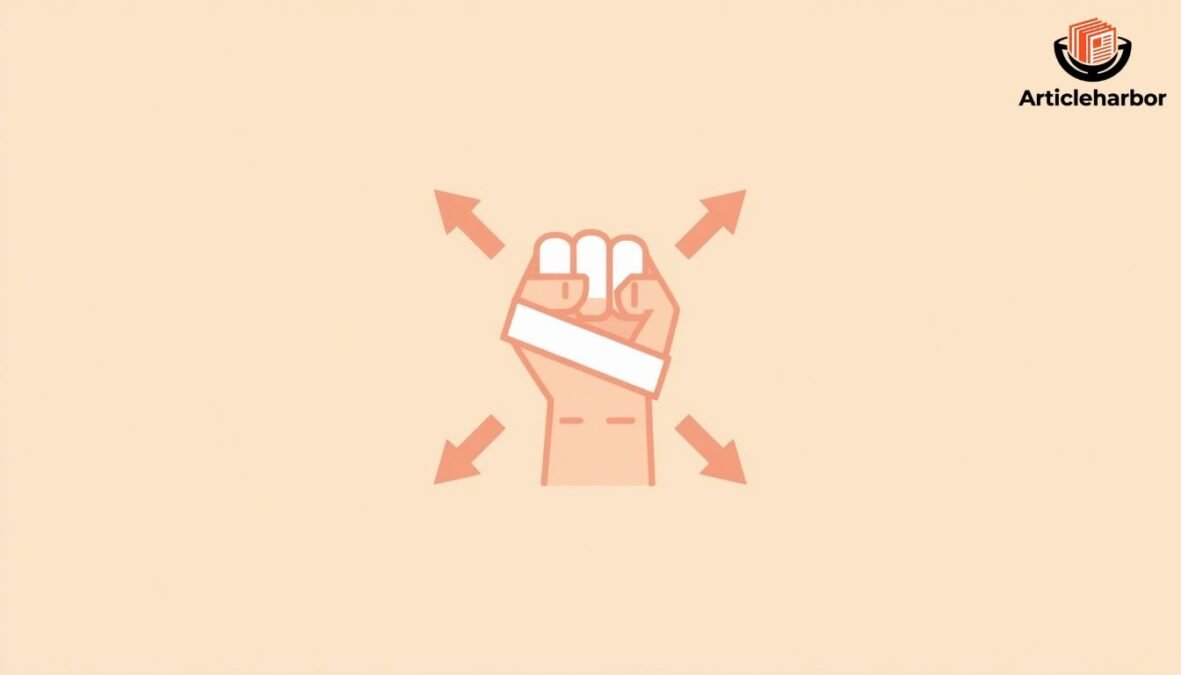
Once you know that paper beats rock, the rest of the game falls into place pretty quickly:
- Rock beats scissors — a rock can smash or blunt a pair of scissors
- Scissors beat paper — scissors can cut straight through a sheet of paper
- Paper beats rock — paper wraps around and covers the rock
Three moves, three outcomes, and no move that’s ever truly “the best” one. That balance is exactly why the game has survived for as long as it has. Nobody can master rock paper scissors the way you’d master chess, because every choice has an equal and opposite answer.
Why Does Paper Beat Rock?
This is the part that trips people up the most. A rock is heavy, solid, and looks like it should beat almost anything. So why does a flimsy sheet of paper win?
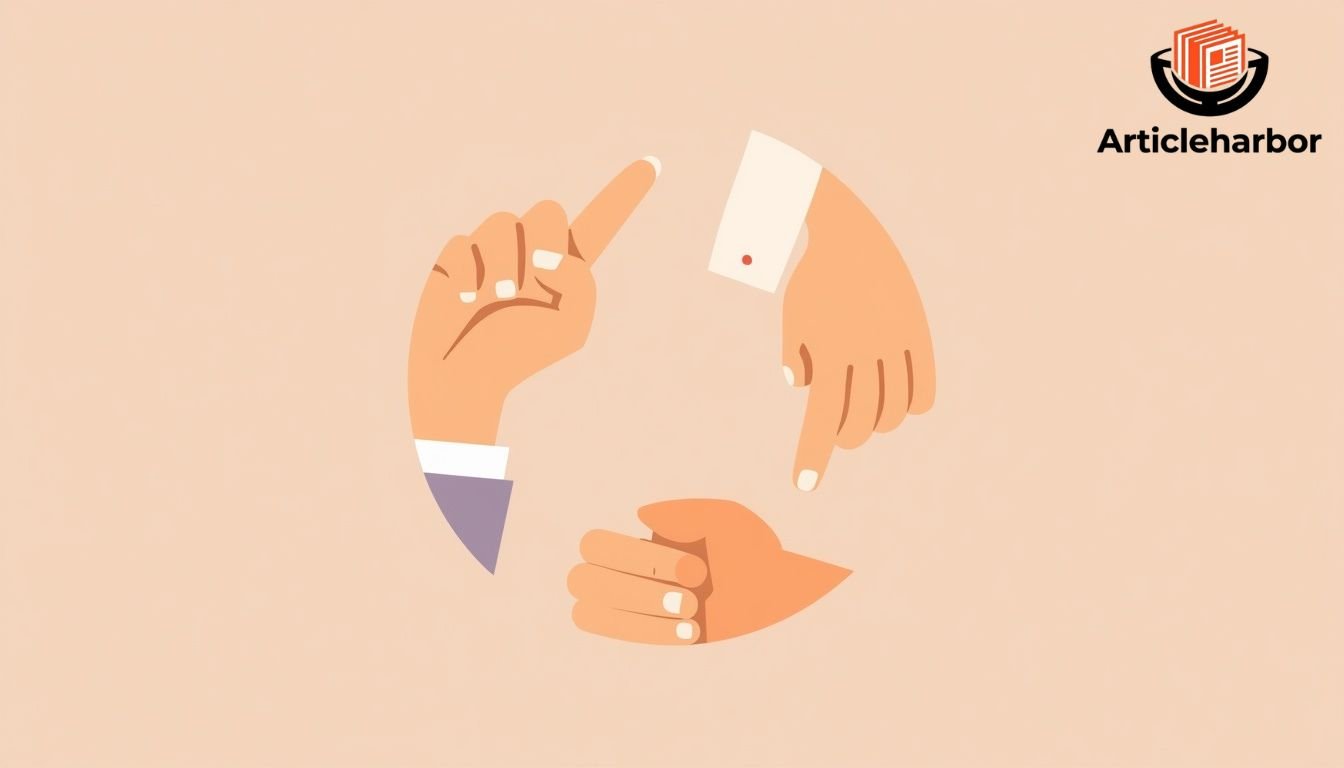
The reasoning isn’t really about strength. It’s about coverage. Paper doesn’t overpower rock — it smothers it. Once the rock is wrapped, it can’t do anything. It can’t crush, it can’t move, it’s just… covered. It’s a clever bit of symbolic thinking rather than a literal contest of toughness, and once you see it that way, the whole system starts to feel less random and more like a tidy little loop: rock crushes scissors, scissors cut paper, and paper covers rock.
Interestingly, in parts of Asia where the game originated, players often say “cloth” instead of paper. The thinking is that wrapping something sharp in cloth feels like a more believable way to neutralize it than wrapping it in a flat sheet of paper. Either way, the outcome is the same.
A Quick History of Rock Paper Scissors
This is where things get genuinely interesting, because rock paper scissors is not some 20th-century invention dreamed up for kids on a playground. Its roots go back roughly 2,000 years to Han Dynasty China, where a game called shoushiling, meaning “hand command,” was already using the same basic idea: three choices, arranged so that each one beats one option and loses to another.
The earliest Chinese version didn’t use rock, paper, or scissors at all. Some historical accounts describe gestures representing a frog, a slug, and a snake, or in other tellings, a centipede, a frog, and a snake, all locked in the same kind of cyclical rivalry. It was originally played as a drinking game among adults, with the loser expected to take a drink, long before it became something children used to settle playground disputes.
From China, the game traveled to Japan, where it evolved into jan-ken. The Japanese version is the one that finally settled on the rock, paper, and scissors gestures we recognize today. Jan-ken became deeply woven into everyday Japanese life. It wasn’t treated as a throwaway kids’ game either. It was, and still is, used as a genuinely fair way to make decisions in both casual and formal situations.
The game made its way west gradually through the early 1900s, showing up in newspaper articles and letters describing “the Japanese game” to curious readers. It picked up speed after World War II, when soldiers stationed in the Pacific encountered it and brought it home with them. By the mid-20th century, rock paper scissors had firmly planted itself in Western culture, and it’s never really left.
Common Variations of the Game
Because three options occasionally lead to draws, some players have expanded the game over the years to add more depth and reduce ties.
The most famous variation is rock paper scissors lizard Spock, popularized by the TV show The Big Bang Theory, which adds two more moves into the mix so that every option beats exactly two others and loses to exactly two others. It sounds complicated at first, but it plays just as smoothly once you get the hang of it.
Other cultures have their own spins on the theme entirely. One well-known regional variation involves an earwig, a man, and an elephant, where the earwig defeats the elephant by crawling into its ear, the elephant crushes the man, and the man kills the earwig. It’s a strange mental image, but it follows the exact same intransitive logic as rock, paper, and scissors.
Tips to Win More Often
Rock paper scissors is technically a game of chance, but that hasn’t stopped people from studying it seriously. Here’s what tends to actually help:
People often throw rock first. It’s the move most associated with strength, so a lot of players default to it, especially in a first round or when they’re nervous.
Watch for patterns, not just moves. Most people aren’t as random as they think. If someone just lost with scissors, they’re statistically more likely to switch to rock next.
True randomness is still your best long-term strategy. Competitive players often use pre-planned sequences, called gambits, specifically to avoid falling into predictable habits that an opponent could pick up on.
None of this guarantees a win. But it does shift the odds slightly in your favor, which is more than most casual players ever think to consider.
A Few Fun Facts
Rock paper scissors has a surprisingly serious side. The World RPS Society, founded in Toronto, held its first major World Championship in 2002, drawing hundreds of competitors from around the world. There have been officially organized tournaments with real prize money on the line, including events tied to poker circuits and gaming conventions.
The game has also found its way into science. Researchers studying mating behavior in side-blotched lizards discovered a genuine rock-paper-scissors dynamic among males competing for females, where one color strategy beats another, which beats another, which beats the first. It’s a strange but real example of the same cyclical logic showing up in nature.
And beyond the lab, the game gets used constantly in everyday decision-making, from settling legal disputes over trivial matters to helping strangers figure out who pays for coffee.
Final Thoughts
So, what beats rock? Paper, plain and simple. But behind that one-word answer is a game with two thousand years of history, a surprising amount of psychology, and enough cultural staying power to outlast just about every trend that’s come and gone since it started.
Next time you’re settling a tie with a friend, you’ll know there’s a lot more behind that quick fist-bump countdown than most people ever realize.
FAQs
What beats rock in the classic game?
Paper beats rock. It’s the only move in the traditional three-option version that defeats it, based on the idea of paper covering or wrapping the rock completely.
Does anything else beat rock besides paper?
In the original three-move game, no. Paper is the sole winner against rock. Some expanded variations, like rock paper scissors lizard Spock, add more options that also defeat rock, but the classic version keeps it to just paper.
Why does paper beat rock instead of the other way around?
The logic isn’t about strength, it’s about coverage. Paper wraps around the rock so completely that the rock can’t do anything, which is why “paper covers rock” became the accepted explanation.
Is rock paper scissors really that old?
Yes. The game’s earliest known ancestor, shoushiling, dates back roughly 2,000 years to Han Dynasty China, long before it became the playground and decision-making game we know today.
What’s the best strategy to win at rock paper scissors?
Since most players unconsciously fall into patterns, staying truly random with your choices is your best bet. Watching your opponent’s habits, like a tendency to throw rock first, can also give you a slight edge.