

Introduction
The phrase “Charlie Kirk smile” has become an unexpected topic of discussion across social media, online forums, and political conversations. While Charlie Kirk is primarily known as the founder of Turning Point USA and a prominent conservative commentator, a surprising amount of internet attention has focused on his facial expressions, particularly his smile.
At first glance, it may seem unusual that a public figure’s smile could generate widespread discussion. However, in the age of viral content, even small visual details can become major talking points. Photos, video clips, memes, and online reactions have transformed the Charlie Kirk smile debate into a cultural phenomenon that extends far beyond politics.
This article explores seven interesting facts about the Charlie Kirk smile debate and explains why it continues to attract attention online.
BIO
| Label | Information |
|---|---|
| Topic | Charlie Kirk Smile Debate |
| Person Discussed | Charlie Kirk |
| Profession | Political Commentator |
| Organization | Turning Point USA |
| Known For | Conservative Activism |
| Debate Focus | Public Smile and Expressions |
| Discussion Origin | Social Media |
| Viral Through | Memes and Online Posts |
| Main Theme | Public Perception |
| Related Topics | Internet Culture |
| Audience Interest | Politics and Media |
| Article Type | Informative Analysis |
Who Is Charlie Kirk?
Before discussing the debate itself, it is important to understand who Charlie Kirk is.
Charlie Kirk rose to national prominence after founding Turning Point USA in 2012. The organization focuses on promoting conservative values among students and young voters. Over the years, Kirk became a recognizable media personality through public speeches, campus debates, interviews, podcasts, and social media appearances.
His growing visibility made him one of the most discussed conservative figures among younger audiences. As often happens with highly recognizable public personalities, people began paying attention not only to his political opinions but also to his appearance, mannerisms, and communication style.
The discussion surrounding the Charlie Kirk smile emerged from this broader public attention.
Fact #1: The Debate Began Through Viral Internet Culture
One of the most interesting aspects of the Charlie Kirk smile debate is that it did not begin through traditional media.
Instead, the discussion gained momentum through social media platforms where users shared screenshots, photographs, reaction images, and video clips featuring Kirk smiling. Over time, these posts attracted thousands of comments and reactions.
The internet has a long history of focusing on distinctive expressions and memorable images. Public figures frequently become subjects of discussion because of a facial expression, a gesture, or even a single photograph.
In Kirk’s case, multiple images circulated online and sparked conversations about his smile. What may have started as a few jokes eventually evolved into a widely recognized online topic.
This demonstrates how internet culture can transform ordinary moments into lasting discussions.
Fact #2: Different People See the Smile Differently
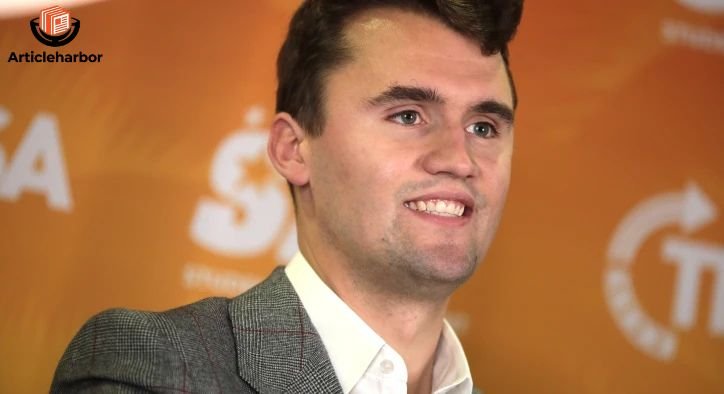
A major reason the debate continues is that people interpret facial expressions in different ways.
Some viewers describe Charlie Kirk’s smile as friendly and confident. Others view it differently and associate it with discomfort or awkwardness. Neither perspective is universally accepted because facial expressions are highly subjective.
Human beings naturally form impressions based on visual cues. Psychologists have long studied how people evaluate trustworthiness, confidence, and friendliness based on facial appearance. These impressions often develop within seconds.
As a result, two individuals can look at the same photograph and reach completely different conclusions.
The Charlie Kirk smile debate highlights how personal perception shapes online discussions. The disagreement is often less about the smile itself and more about how viewers interpret what they see.
Fact #3: Memes Played a Huge Role
No discussion of the Charlie Kirk smile would be complete without mentioning memes.
Memes have become one of the internet’s most powerful forms of communication. They allow users to express opinions, create jokes, and participate in cultural conversations with a single image.
Over the years, Charlie Kirk has been featured in numerous memes. Some focused on edited photographs, while others exaggerated specific facial features for comedic effect. As these images spread across social media, they introduced the smile debate to wider audiences.
Many people who encountered the discussion were first exposed to it through meme pages rather than political content.
The role of memes is significant because they often reshape public perception. Once an image becomes a meme, it can influence how people view the original subject.
This is one reason why the Charlie Kirk smile debate gained such widespread recognition despite being centered on something as simple as a facial expression.
Fact #4: Social Media Amplified Every Reaction
Another interesting fact is that social media platforms dramatically amplified the conversation.
In previous decades, discussions about a public figure’s appearance might have remained limited to small groups. Today, a single viral post can reach millions of people within hours.
Platforms such as X, TikTok, Instagram, YouTube, and Reddit have allowed users to share clips, screenshots, and opinions about Charlie Kirk’s smile with enormous audiences.
The debate became especially noticeable whenever Kirk appeared in widely viewed interviews, debates, or online videos. Users would capture moments, create reaction posts, and encourage further discussion.
As engagement increased, platform algorithms pushed the content to even more viewers.
This cycle demonstrates how modern social media rewards highly shareable content. The more people react to a topic, the more visibility it receives.
Fact #5: The Debate Is Closely Connected to Political Identity
Although the discussion often appears humorous on the surface, political identity plays a significant role.
Charlie Kirk is a highly recognizable political commentator with strong supporters and vocal critics. Because of this, many reactions to his smile are influenced by broader opinions about his political beliefs.
Supporters may interpret the criticism as unfair or superficial. Critics may view the memes as part of a larger commentary on his public persona.
This dynamic is common in modern politics. Public figures are frequently judged not only on their ideas but also on their appearance, tone of voice, body language, and communication style.
The Charlie Kirk smile debate serves as an example of how political polarization can influence discussions that might otherwise seem unrelated to politics.
For many participants, the conversation is not simply about a smile. It reflects larger attitudes toward the individual behind it.
Fact #6: It Shows the Power of Visual Branding
One overlooked aspect of the debate is its connection to personal branding.
Every public figure develops a recognizable image over time. Certain expressions, hairstyles, clothing choices, and speaking habits become associated with their identity.
For politicians, commentators, and media personalities, visual recognition is extremely valuable. People often remember faces before they remember specific arguments or speeches.
The Charlie Kirk smile became part of his broader public image because it appeared repeatedly in photographs, videos, and promotional content.
Whether people reacted positively or negatively, the smile became memorable.
This highlights an important reality of modern media: visibility often matters as much as messaging. A distinctive image can become a defining part of a public figure’s identity.
The debate illustrates how visual branding can emerge naturally, sometimes without intention.
Fact #7: The Debate Reveals More About the Internet Than About Charlie Kirk
Perhaps the most fascinating fact is that the debate reveals a great deal about internet culture itself.
Online communities frequently focus on small details and transform them into major topics. A facial expression, a short clip, or a single photograph can become the center of thousands of conversations.
The Charlie Kirk smile debate follows a pattern that has affected many public figures over the years. Internet users identify a visual characteristic, create jokes or commentary around it, and gradually build a shared cultural reference.
Eventually, the discussion becomes larger than the original image.
In many ways, the debate reflects how modern audiences consume media. People engage not only with ideas but also with personalities, appearances, and visual moments.
The internet encourages this behavior because visual content spreads quickly and generates strong emotional reactions.
As a result, seemingly minor details often become surprisingly influential.
Why the Topic Continues to Generate Interest
The ongoing popularity of the Charlie Kirk smile discussion can be explained by several factors.
First, Charlie Kirk remains a well-known public figure whose appearances continue to attract attention.
Second, social media platforms constantly revive older discussions through reposts, memes, and reaction videos.
Third, people are naturally interested in visual perception and public image. Conversations about appearance often attract engagement because everyone can form an opinion.
Finally, internet culture thrives on recurring jokes and shared references. Once a topic becomes part of online culture, it can remain relevant for years.
These factors help explain why the Charlie Kirk smile debate continues to appear in discussions long after it first gained attention.
Frequently Asked Questions
Why is the Charlie Kirk smile discussed online?
The discussion largely developed through social media, memes, and viral images. Many users began sharing photos and clips featuring Kirk’s smile, which generated widespread reactions and commentary.
Is the debate political?
Partly. While the discussion focuses on appearance, many reactions are influenced by people’s opinions about Charlie Kirk and his political views.
Did memes make the debate more popular?
Yes. Memes played a major role in spreading awareness of the topic and introducing it to audiences who may not have followed political content.
Why do people have different opinions about the smile?
Facial expressions are interpreted differently by different people. Personal experiences, cultural influences, and individual preferences all affect perception.
Why does internet culture focus on small details?
Online platforms encourage engagement with visual content. As a result, even minor details can become major topics if enough people react to them.
Conclusion
The Charlie Kirk smile debate is an example of how modern internet culture can transform an ordinary facial expression into a widely discussed topic. What began as a collection of photos, videos, and social media reactions evolved into a conversation involving memes, public perception, political identity, and digital culture.
The seven facts explored in this article reveal that the discussion is not really about a smile alone. It reflects broader themes involving online behavior, visual branding, social media influence, and the ways people form opinions about public figures.
Whether someone views the debate as humorous, insightful, or unnecessary, it remains a fascinating case study in how the internet shapes public perception. In today’s digital world, even the smallest visual detail can become part of a much larger cultural conversation.