
Introduction
A waffle maker is one of those kitchen appliances that looks simple on the outside but needs proper care on the inside. If you enjoy crispy golden waffles, you already know how quickly batter can spill, stick, and burn onto the plates. Over time, that buildup does not just affect taste, it also shortens the life of your appliance.
Learning how to clean a waffle maker after every use is not complicated, but it does require consistency and the right approach. Many people either clean it too aggressively and damage the non-stick coating or ignore it until the residue becomes hard and stubborn.
This guide explains a practical, step-by-step method to keep your waffle maker clean, safe, and working like new. Everything here is based on common kitchen maintenance practices used in home cooking and appliance care.
BIO
| Label | Information |
|---|---|
| Topic | How to Clean a Waffle Maker |
| Focus | After-every-use cleaning routine |
| Purpose | Keep appliance clean and long-lasting |
| Cleaning Type | Light cleaning + deep cleaning |
| Main Step | Wipe plates after cooling |
| Safety Tip | Never clean while hot |
| Tools Needed | Cloth, brush, mild soap |
| Deep Clean Method | Baking soda paste or steam wipe |
| Common Mistake | Using metal tools on plates |
| Storage Advice | Keep dry and fully cooled |
| Maintenance | Clean after every use |
| Problem Fix | Remove residue with soft soak wipe |
| Result | Better taste and longer appliance life |
Why Cleaning Your Waffle Maker Matters
Cleaning your waffle maker is not just about keeping it looking good. It directly affects performance, safety, and food quality.
When batter and oil are left behind, they slowly harden with each use. This buildup can cause uneven heating and make waffles stick more than they should. Over time, it also creates a burnt smell that transfers to fresh batter.
Another important reason is hygiene. Food residue trapped in warm environments can attract bacteria or even mold if the appliance is stored without proper drying. This is especially common in humid climates where moisture does not evaporate quickly.
A clean waffle maker also ensures better cooking results. When the surface is smooth and free of residue, heat spreads evenly, giving you consistent color and texture in every waffle.
Basic Tools You Should Always Keep Ready
Before learning how to clean a waffle maker, it helps to keep a few simple tools nearby. You do not need anything expensive or specialized.
A soft microfiber cloth is ideal for wiping surfaces without scratching. A silicone spatula or wooden stick helps remove stuck batter safely. A soft-bristle brush or an old toothbrush can reach into grooves without damaging the coating.
Mild dish soap is usually enough for everyday cleaning. Strong chemicals are unnecessary and can harm the non-stick surface over time. Paper towels are also useful for quick drying.
For occasional deep cleaning, a small amount of baking soda mixed with water can help lift stubborn residue without scratching the plates.
Step-by-Step Cleaning After Every Use
Step 1: Let the waffle maker cool completely
The most important rule is patience. Never clean a waffle maker while it is still hot. Not only is it unsafe, but sudden temperature changes can also damage internal components.
Wait until the plates are warm or fully cooled before you begin cleaning.
Step 2: Remove loose crumbs gently
Once cooled, open the waffle maker and gently shake or brush out loose crumbs. A soft brush works better than cloth because it reaches into the small grooves of the grid.
Avoid pressing too hard. At this stage, the goal is just to remove dry particles, not scrub the surface.
Step 3: Wipe the cooking plates
Take a damp microfiber cloth and gently wipe the plates. If there is light grease, a small drop of mild dish soap can be added to the cloth.
Do not pour water directly into the appliance. The goal is controlled moisture, not soaking.
This step usually removes most everyday residue if done immediately after cooking.
Step 4: Handle stuck batter carefully
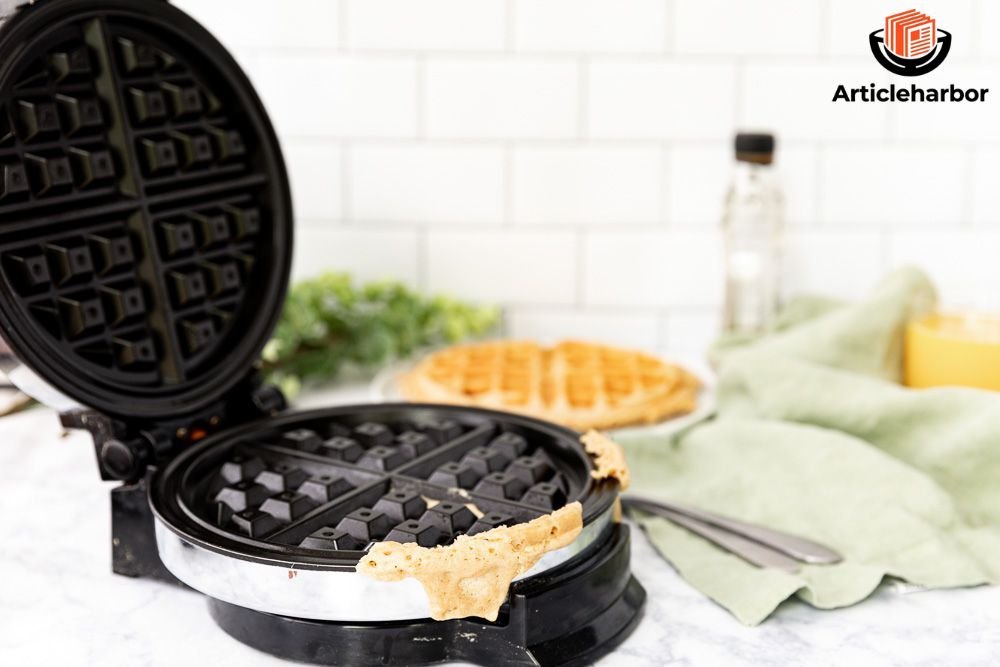
Sometimes small pieces of batter stick to the surface, especially around the edges. This is where many people damage their waffle makers by using sharp tools.
Instead, use a silicone or wooden spatula to gently lift the residue. If it does not come off easily, lightly dampen the area and let it sit for a minute before trying again.
Never use metal knives or scrapers. They can permanently scratch the non-stick coating.
Step 5: Clean the exterior surface
The outside of the waffle maker also collects grease, fingerprints, and small splashes. Wipe it down with a damp cloth and dry it immediately afterward.
Pay attention to handles and hinges, where oil and crumbs often accumulate without notice.
Step 6: Dry completely before storing
Moisture is one of the main causes of damage in small kitchen appliances. After cleaning, use a dry cloth to wipe every surface carefully.
Leave the waffle maker open for a few minutes so any hidden moisture can evaporate. Only store it when it is completely dry.
Deep Cleaning for Weekly Maintenance
Even if you clean your waffle maker after every use, a deeper clean once a week helps maintain long-term performance.
A simple method is using a baking soda paste. Mix baking soda with a small amount of water until it forms a thick paste. Apply it gently to stained areas and let it sit for a few minutes before wiping it off with a damp cloth.
Another method is steam cleaning. Place a damp cloth inside the closed waffle maker while it is slightly warm (not hot). The steam helps loosen stubborn residue. After a few minutes, wipe it clean.
If your waffle maker has removable plates, take them out and wash them separately with mild soap and warm water. Always ensure they are fully dry before reattaching.
Common Mistakes You Should Avoid
Many cleaning problems come from small mistakes that are easy to avoid.
One of the biggest mistakes is submerging the waffle maker in water. This can damage the electrical components and make the appliance unsafe to use.
Another common issue is using abrasive pads or metal tools. These may seem effective at removing stuck food but they permanently damage the coating, which leads to more sticking in the future.
Harsh cleaning chemicals are also unnecessary. Strong detergents or bleach-based cleaners can leave behind residues that affect food safety and taste.
Finally, storing the appliance while it is still slightly damp can lead to rust or unpleasant odors over time.
Practical Tips for Easier Cleaning
A few simple habits can make cleaning much easier in the long run.
Lightly greasing the plates before cooking helps reduce sticking. However, avoid overusing oil sprays, as they can create sticky buildup over time.
Do not overfill the batter. Spills are one of the main reasons waffle makers become difficult to clean.
Cleaning immediately after use, while the residue is still soft, is much easier than waiting for it to harden.
Also, using a silicone brush or cloth regularly prevents buildup in hard-to-reach corners.
Troubleshooting Common Problems
Even with proper care, some issues can still appear.
If burnt batter is stuck, apply a warm damp cloth for a few minutes to soften it before wiping. Repeating this process is safer than scraping aggressively.
If the waffle maker develops a sticky surface, it may be due to oil buildup. A mild baking soda solution usually helps restore the surface.
A lingering smell after cooking often comes from old residue trapped in grooves. A thorough deep clean usually solves this issue.
Uneven heating can sometimes be caused by residue blocking heat distribution. In such cases, a full cleaning is usually the first step before assuming a technical fault.
Long-Term Care for Your Waffle Maker
Taking care of your waffle maker is not just about cleaning after each use. It also includes proper storage and handling.
Store it in a dry place away from humidity. Avoid stacking heavy items on top of it, as pressure can damage internal wiring over time.
Inspect the cord and plug occasionally to ensure there are no signs of wear or damage.
If your waffle maker has adjustable temperature settings, avoid always using the highest heat unless necessary. Moderate heat reduces burning and makes cleaning easier afterward.
Conclusion
Learning how to clean a waffle maker properly is one of the simplest ways to extend its life and improve your cooking results. A few minutes of care after each use prevents long-term buildup, protects the non-stick surface, and ensures your waffles taste fresh every time.
The process does not require special products or complicated steps. It is mostly about consistency, gentle handling, and avoiding common mistakes that damage the appliance.
With the right routine, your waffle maker will stay clean, efficient, and reliable for years, making every breakfast smoother and more enjoyable.
FAQs
How often should I clean a waffle maker?
You should do a light cleaning after every use to remove crumbs and residue. A deeper cleaning once a week helps prevent buildup and keeps the non-stick surface in good condition for longer use.
Can I wash a waffle maker with water?
No, you should never submerge a waffle maker in water. It contains electrical parts that can get damaged. Instead, use a damp cloth for wiping the plates and exterior carefully.
What is the best way to remove stuck batter?
The safest method is to let the waffle maker cool, then use a soft silicone or wooden tool to gently lift the stuck batter. If needed, a damp cloth can help soften the residue before wiping.
Can I use soap or cleaning chemicals on it?
Yes, but only mild dish soap mixed with water on a cloth. Avoid harsh chemicals or abrasive cleaners because they can damage the non-stick coating and affect food safety.
Why does my waffle maker smell after cleaning?
A lingering smell usually comes from leftover grease or batter hidden in grooves. A deeper cleaning using a baking soda paste or steam method usually removes the odor completely.